Go Back. Go Deeper. Why Returning to the Same Place Is the Boldest Thing a Traveler Can Do
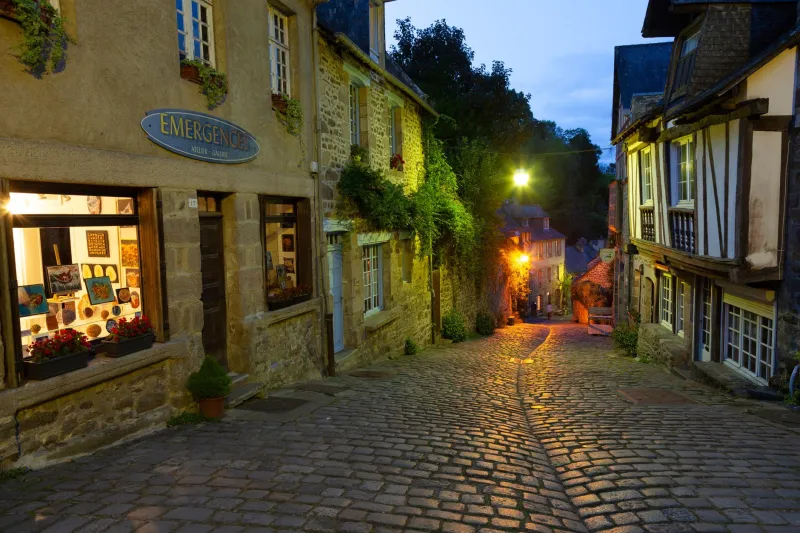
There's a particular kind of social pressure that follows frequent travelers around like a carry-on that won't fit in the overhead bin. It sounds something like this: Where are you going next? And the unspoken follow-up: Is it somewhere new?
We've built a whole culture around the collection of destinations — passport stamps as trophies, pin maps on living room walls, Instagram grids that read like a greatest-hits album of everywhere you've ever been. The travel world rewards novelty. New country, new story, new you.
But here's the thing nobody really talks about: going back might actually be braver.
The Tyranny of the First Visit
The first time you visit anywhere — a small coastal town in Maine, a neighborhood in Oaxaca, a village in Portugal — you're essentially sprinting through it with your eyes wide open and your brain in overdrive. You're figuring out transit, decoding menus, managing jet lag, and trying to absorb an entirely unfamiliar environment all at once. It's exhilarating. It's also exhausting.
And in that beautiful chaos, you miss things. A lot of things.
You miss the rhythm of the place — the way Tuesday mornings feel different from Saturday afternoons. You miss the bartender's dry humor once she decides you're worth talking to. You miss the back alley market that only happens every other week, or the hiking trail that the guy at the coffee shop mentioned but you didn't have time to try.
First visits are incredible. But they're also, in a very real sense, just the introduction.
What Happens When You Already Know Where You're Going
There's a specific kind of ease that settles over you when you return somewhere familiar. The anxiety of orientation — that low-level hum of where am I, what do I do, which direction is north — quiets down. And in that quiet, something else opens up.
You start noticing. Not in the frantic, tourist-with-a-checklist way, but in the slower, more deliberate way that actually sticks with you. The mural that wasn't there last time. The new café that replaced the old hardware store. The way the light hits the main square at 6 p.m. in October versus how you remembered it in June.
Repeat visits give you a timeline. And a timeline gives you context. Suddenly you're not just observing a place — you're watching it change, which means you're actually in relationship with it.
The People Who Remember You
This is the part that doesn't make it into many travel articles, but it might be the most quietly powerful thing about going back.
When you return to the same guesthouse, the same neighborhood restaurant, the same farmers market — people recognize you. And that recognition shifts everything.
You're no longer a tourist passing through. You're the American who came back. The one who actually showed up again. In a world where most visitors are one-and-done, returning signals something: this place mattered to me. Locals notice that. They respond to it.
Conversations go deeper. Invitations get extended. You start to learn things that don't appear in any guidebook, because the people sharing them have decided you've earned it. That's not something you can manufacture on a first visit, no matter how charming you are.
The Reverse Bucket List Mindset
Most bucket lists are forward-facing — a horizon of places you haven't been yet, experiences you haven't had. That's not a bad thing. Curiosity about the new is one of travel's great engines.
But consider building a parallel list. A reverse bucket list, if you want to call it that — a running record of places you want to go back to. Not because you didn't do them right the first time, but because they left something unfinished in you. A question unanswered. A feeling you want to sit with longer.
Maybe it's the national park you visited on a whirlwind road trip and barely scratched. Maybe it's the city abroad that felt overwhelming at first but stayed with you long after you landed home. Maybe it's somewhere you went during a hard season in your life and you want to return as a different version of yourself to see what you notice now.
The reverse bucket list isn't about repetition. It's about depth. It's the acknowledgment that some places are worth more than a single chapter.
Breadth vs. Depth: A False Choice, But a Real Tension
Let's be honest — this isn't entirely either/or. There's real value in going somewhere you've never been, in disorienting yourself just enough to shake loose old assumptions. New destinations do that beautifully.
But the cultural narrative that equates a longer list of countries with a richer travel life is worth questioning. Some of the most well-traveled people in the world — the ones who talk about travel in ways that make you lean in — aren't necessarily the ones who've been to the most places. They're the ones who've paid attention the most places. And paying attention takes time.
Depth and breadth aren't enemies. But in a world that constantly pushes you toward the next new thing, choosing depth is the more countercultural move. It takes a quiet kind of confidence to say: I've been there. I want to go back. That's enough.
Permission to Return
If you've been holding off on rebooking that trip to the place you loved — the one you keep telling people about, the one that still shows up in your dreams a little — consider this your permission slip.
Go back to the small town in Vermont you visited three autumns ago. Return to that spot in Costa Rica where you finally felt like you could breathe. Rebook the Airbnb in New Orleans you left too soon. Walk the same streets again and notice who you are now compared to who you were then.
Marco Polo didn't just map a route and call it done. He traveled it, learned it, lived in it. The journey meant something because he gave it time.
You don't have to go everywhere. You just have to go somewhere like you mean it.
And sometimes, meaning it means going back.